How to Stop Puppy Play Biting Without Punishment
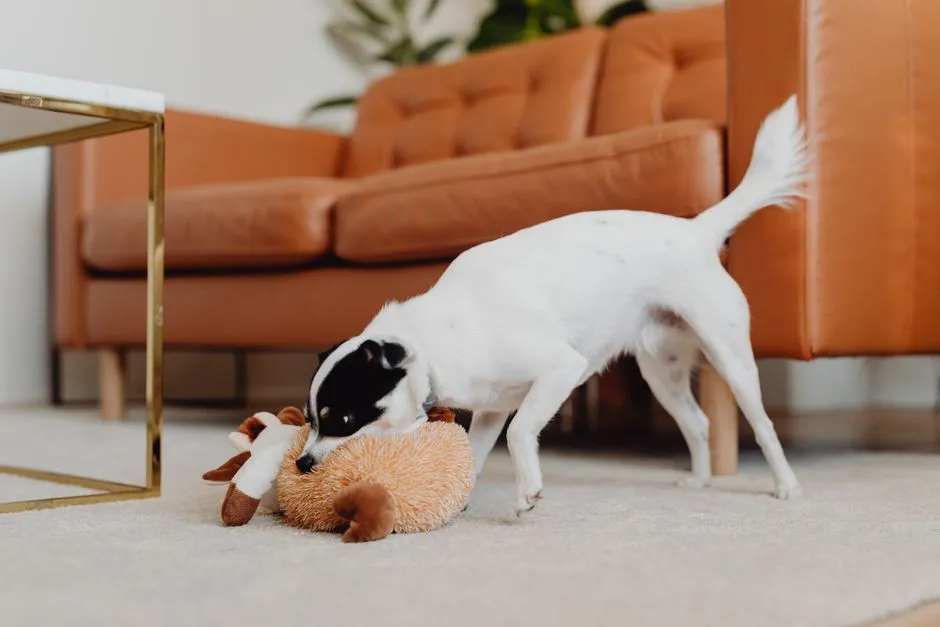
Redirect the mouth and make rough play pause
To reduce puppy play biting, keep an appropriate toy within reach, guide the puppy's mouth onto it before teeth reach skin or clothes, and reward gentle play. If teeth make contact again, become still and calmly end interaction for a brief reset. Resume with the toy when the puppy is calmer. Do not hit, yell, hold the muzzle shut, or use painful tools.
Mouthing is common in puppies, but consistency and supervision matter because puppy teeth can injure skin.
Notice what happens before the bite
Keep a simple note of time, activity, and body language. Biting may rise during exciting play, when someone moves hands or clothing quickly, when the puppy needs the toilet, or when the puppy is tired and struggling to settle.
The pattern changes the response. A puppy who needs rest does not need more energetic play. A puppy grabbing trouser legs during movement may need a toy presented before the person starts walking. Management prevents rehearsal while training develops.
Choose toys that protect hands
Use puppy-appropriate toys in good condition and large enough that the puppy can grip them without reaching fingers. A longer soft tug toy creates more distance between teeth and skin. Rotate safe textures and supervise chewing according to the product guidance.
Animate the toy away from the puppy to invite a chase, then reward engagement with it. Do not push a toy forcefully into the mouth. If the puppy switches back to hands, freeze the game and remove attention calmly.
Use a predictable play rule
The rule is simple: toy contact keeps play going; skin or clothing contact makes play pause. Everyone in the household should follow the same pattern without frightening the puppy.
When teeth touch:
- Stop moving hands and clothes.
- Quietly disengage and create space.
- Wait for enough calm to resume safely.
- Offer the toy and reinforce appropriate play.
Some puppies become more excited by squealing or fast hand withdrawal. A quiet pause is often clearer. Avoid using the crate as a punishment; preserve it as a safe rest area if crate training is part of the household plan.
Reinforce calm behavior before trouble starts
Notice the puppy lying quietly, chewing an appropriate item, approaching with four paws on the floor, or choosing a toy. Mark the behavior with a consistent word and deliver a suitable reward. Training is easier when the puppy learns what earns attention, not only what makes attention disappear.
Schedule short play and training sessions around sleep, meals, toileting, and veterinary guidance for exercise. Puppies need substantial rest, but exact needs vary. A calm supervised rest period may help when biting rises with fatigue.
Protect children and vulnerable people
Adults should supervise all puppy-child interaction actively. Children should not be asked to manage biting, take items from the puppy, or run away while the puppy chases. Use gates, pens, leashes, or separate areas so both can relax safely.
If teeth break skin, wash the wound and seek medical guidance as appropriate, especially for punctures, infection signs, or higher-risk people. Keep the puppy's veterinary care current.
Know when it may not be ordinary play
Playful mouthing often occurs with loose, bouncy behavior and can be redirected. Stiffness, freezing, guarding food or objects, bites during handling, sudden escalation, or behavior paired with pain deserves professional assessment. Do not test the puppy by provoking another incident.
Start with a veterinarian to rule out illness or pain, then use a qualified reward-based trainer or veterinary behavior professional as appropriate. Urgent danger requires immediate separation and local professional help.
Calm reinforcement also supports the puppy recall plan, where coming close should consistently feel safe and worthwhile.
Explore more humane household plans in Puppy Manners.
Expect gradual learning
Prepare the environment, redirect early, pause rough contact, and reward the behavior you want. Improvement may be uneven as the puppy grows. Consistency is not repeating punishment; it is making the safe choice predictably rewarding.