How to Teach Puppy Recall Step by Step
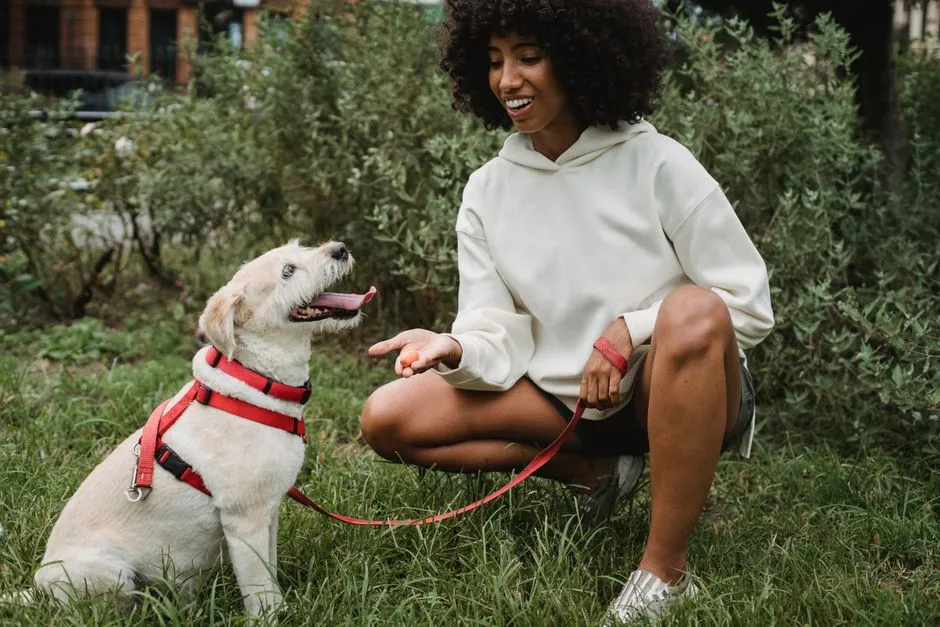
Make coming to you safe, rewarding, and easy first
To teach puppy recall, choose one cue, begin in a quiet enclosed space, say the cue once as the puppy starts moving toward you, and reward generously on arrival. Practice at short distances, then add distance, new places, and distractions one at a time. Outdoors, use a leash or long line and obey local leash rules.
Recall is never a guarantee against danger. Physical management remains essential near roads, wildlife, unfamiliar dogs, and unfenced areas.
Choose a cue you can protect
Pick a short word or whistle pattern everyone will use consistently. Avoid repeating it while the puppy ignores you, because repetition teaches that the first sound has no consequence.
For the first sessions, arrange success. When the puppy is already looking or moving your way, say the cue in a warm tone, mark the arrival, and give a reward the puppy values. Food, a toy, play, or permission to return to an activity can all reinforce behavior.
Never punish the puppy after they come, even if the response was slow. Reaching you should not predict scolding, frightening handling, or automatic loss of every enjoyable activity.
Teach arrival, not a fly-by
Reward close to your body so the puppy learns to come all the way in. Gently touch the collar or harness, reward, and release. Build the touch gradually if the puppy is uncomfortable; do not grab suddenly.
This arrival skill helps when a leash must be clipped. Practice it during ordinary moments rather than only when play is ending.
Use three simple recall games
Short-distance turns
With the puppy on leash in a quiet area, gain attention, move a few steps away, give the cue once, and reward at your legs. Keep the leash loose; it is a safety line, not a tool for dragging the puppy in.
Room-to-room recall
Have one person hold or occupy the puppy safely while another moves a short distance away. Call once, reward the arrival, and switch roles. Do not let multiple people call at the same time.
Recall and release
Call the puppy away from a mild, safe activity, reward, touch the collar or harness, and release them back to it. This teaches that recall does not always end fun.
Short sessions maintain enthusiasm. Stop while the puppy still wants to play rather than repeating until responses fade.
Add difficulty one variable at a time
Change only distance, distraction, or location in a given step. A puppy who succeeds across a room may not understand the cue in a garden, and indoor success does not justify off-leash practice in an open area.
Use a well-fitted harness and long line in a suitable open space, keeping the line clear of legs and obstacles. Do not attach a long line to equipment that could injure the neck if the puppy reaches speed. Get hands-on guidance if line handling is unfamiliar.
If the puppy does not respond, move closer, reduce the distraction, and make the next repetition easier. Avoid jerking the line or chasing.
Troubleshoot the reward history
The cue may weaken if it has been repeated, followed by unpleasant events, or used only to end play. Rebuild in easy settings with better reinforcement. If the word has a long history of being ignored, choose a fresh cue and teach it from the beginning.
Reward spontaneous check-ins too. When the puppy chooses to look at or approach you outdoors, mark and reinforce it. Recall grows from a broader habit of staying connected.
The same reward-based principle guides puppy play-biting redirection: teach the desired action and make it worthwhile.
Keep emergency expectations realistic
Do not test recall near hazards. If a puppy gets loose, avoid running straight after them when that triggers chase; use barriers, an inviting voice, movement away when safe, and local help as circumstances require. Prevention through doors, gates, identification, leashes, and secure fencing matters more than a dramatic test.
Pain, fear, or sudden loss of a learned response may require a veterinarian. A qualified reward-based trainer can tailor the progression to the puppy and environment.
Find more stepwise plans in Essential Cues.
Build trust one successful return at a time
Say the cue once, reward the full arrival, release back to fun often, and raise difficulty gradually. Keep the safety line until the environment is legally and physically secure. A strong recall is a practiced relationship, not permission to remove every safeguard.